
Everything You Need to Know About Getting a Free Zone License in Dubai
Having a business in Dubai is very beneficial. But people often consider it a big task and a setback. However, with the free zone license in Dubai, starting a business in Dubai has become easier than ever. Entrepreneurs and investors from all over the world are choosing Dubai’s free zones due to flexible regulations, tax benefits, and a fast business setup process. Whether you are a startup founder or an established company, getting a free zone license is a smart move to expand your business in the UAE. Having the right understanding is really important in this regard, which is why we have formed a complete guide that will help you understand everything about the Dubai free zone license, what it is, and how to get one. What Is a Free Zone License in Dubai? A free zone license is a legal permit that allows you to run your business in one of Dubai’s designated free zones. These zones are very special economic areas that offer complete ownership to foreign investors. Each free zone is designed for specific industries like technology, media, logistics, or healthcare. Why Choose a Free Zone License in Dubai? A free zone license in Dubai gives you several benefits that make it ideal for foreign investors. You can own your company fully without needing a local sponsor. You also get tax exemptions on corporate and personal income. Another major advantage is the ease of importing and exporting goods with minimal customs duties. These features make free zones an attractive business destination for entrepreneurs worldwide. Types of Free Zone Licenses Available Dubai offers different types of licenses depending on your business activity. Some common types include: 1. Commercial License This license allows you to trade, import, and export goods and services legally. 2. Service License It is ideal for companies offering professional or consultancy services. 3. Industrial License This license is meant for manufacturing, production, or packaging activities within the free zone. 4. E-commerce License For online businesses and digital services, this license provides full operational rights in the digital market. Popular Free Zones in Dubai Dubai has more than 30 free zones, each offering unique facilities and industry support. Some of the most popular ones include: 1. Dubai Multi Commodities Centre (DMCC) Known for trade and commodities businesses, DMCC offers world-class infrastructure and business networking opportunities. 2. Dubai Internet City (DIC) It is the hub for IT, software, and digital companies. It provides access to modern workspaces and innovation centers. 3. Dubai Media City (DMC) DMC supports media, advertising, and production companies, creating a very creative environment for media professionals. 4. Jebel Ali Free Zone (JAFZA) One of the oldest and largest free zones, JAFZA supports logistics, shipping, and industrial companies. Step-by-Step Guide to Getting a Free Zone License in Dubai Getting a free zone license in Dubai is straightforward if you follow the right steps. Step 1: Choose the Right Free Zone First, analyze your business and choose the zone that aligns with your business and target audience. Step 2: Select Your Business Structure You can set up as a Free Zone Establishment (FZE) or a Free Zone Company (FZC). Step 3: Choose a Trade Name Make sure the business name is according to UAE naming rules and is unique. Step 4: Apply for Initial Approval Submit your business plan, passport copies, and other documents for initial approval. Step 5: Lease Office Space Many free zones offer flexible office solutions like virtual offices, flexi-desks, or warehouses. Step 6: Get the Business License After all approvals and payments, you will receive your free zone license. Documents Required for the Application You need to prepare a few essential documents before applying for your license. These include: Some free zones might also ask for additional documents depending on your business activity. How Much Does a Free Zone License Cost? The cost of a free zone license Dubai depends on the type of license and location. On average, it can range from AED 10,000 to AED 50,000 per year. Free zones also offer business packages that include office space, visa quotas, and administrative support. Always check the latest pricing from the specific free zone authority before applying. Benefits of a Free Zone License Dubai There are many reasons why investors prefer free zone licenses. 1. 100% Ownership Foreign investors can own their business completely without a local partner. 2. Tax Exemption Businesses enjoy zero personal and corporate tax, making it highly profitable. 3. Easy Company Setup Most free zones provide quick setup options and online application systems. 4. Repatriation of Profits You can transfer your profits and capital freely to your home country. 5. Strategic Location Dubai’s location connects you to Asia, Europe, and Africa, helping businesses grow globally. Free Zone License vs Mainland License While both offer business opportunities, there are some key differences. A mainland license allows you to trade within the UAE market and take government contracts. On the other hand, a free zone license Dubai limits you to trade inside your free zone or internationally. However, many companies prefer free zones due to tax exemptions and full ownership benefits. Common Mistakes to Avoid When applying for a free zone license, avoid these common mistakes: Being careful in these areas will save time and prevent unnecessary delays. How Long Does the Process Take? The process usually takes between 3 to 10 working days, depending on the free zone. Some free zones even offer express licensing services where you can get approval within 24 hours. Final Thoughts In a nutshell, getting a free zone license Dubai is one of the best decisions for entrepreneurs. It is very helpful in expanding the business across the UAE. above we have discussed everything you need to know about the free zone licence in Dubai aligned with the procedure and advantages. The benefits are endless, including the access to global markets. With simple procedures, fast approvals, and complete ownership, Dubai’s free zones remain a top choice for new businesses. Whether
8 Major Dubai Visa Changes You Need to Know About
Dubai continues to update its visa system, making it easier for residents and visitors to stay, work, and invest. Here are eight major Dubai visa changes that everyone should know. 1. New UAE Visit Visas In September 2025, four new visit visa categories were introduced for specialists. These include professionals in artificial intelligence, entertainment, events, and cruise or leisure boat personnel. Existing visa categories also saw updates, including humanitarian visits, friends of UAE residents, and truck driver visas. These changes simplify short-term stays and professional visits. 2. Launch of the Blue Visa The 10-year Blue Visa officially launched in February 2025. It targets people contributing to environmental protection, both inside and outside the UAE. Eligible applicants include global award winners, international organisation members, researchers, and environmental activists. The visa builds on the UAE Golden Visa and Green Residency system. 3. GCC Unified Tourist Visa Dubai will soon roll out the GCC unified tourist visa, named “GCC Grand Tours.” It allows travel between UAE, Saudi Arabia, Qatar, Bahrain, Kuwait, and Oman. A digital platform will enable online applications, with a pilot program planned in the final quarter of 2025. The visa will ease cross-border tourism within the Gulf Cooperation Council. 4. Nurses Granted Golden Visas Dubai now offers 10-year Golden Visas to nurses who have served the emirate for over 15 years. This initiative recognises their contributions to healthcare and ensures long-term residency for essential staff. It aligns with the UAE’s goal to retain skilled professionals. 5. Influencers Can Apply for Golden Visas Content creators can now obtain long-term residency via the Influencer Golden Visa program. Creators HQ in Dubai assists up to 10,000 online personalities, including influencers, photographers, and writers. Applicants must show a proven track record and potential to enrich the UAE’s creative community. 6. AI-Assisted Visa Application Dubai introduced Salama, an AI-powered platform to simplify visa renewal. Residents can now renew or cancel visas in minutes. The system also provides answers to common residency questions and improves efficiency in government services. 7. Expanded Visa Rules for Indian Nationals Indian passport holders can now get a visa-on-arrival in Dubai if they hold valid residency permits from Australia, Canada, Japan, New Zealand, Singapore, or South Korea. Previously, this option applied only to Indians with permits from the EU, UK, or USA. This expansion reduces travel hassle for Indian visitors. 8. Golden Visa for Teachers Exceptional educators in Dubai’s private education sector are now eligible for Golden Visas. Applicants must show outstanding performance, improvements in student outcomes, and positive contributions to their institutions. This initiative helps retain top teaching talent in the emirate. Why These Changes Matter These Dubai visa changes make it easier for skilled professionals, investors, and creatives to live and work in the UAE. Long-term visas encourage retention of talent, while new visit visas and AI tools simplify travel and residency processes. Dubai continues to attract global talent, supporting growth across sectors like healthcare, education, environment, and technology. These updates also streamline the application process and provide more flexibility for families and professionals. Final Thoughts Staying informed about Dubai’s visa system is crucial for anyone planning to move, work, or study in the emirate. New rules make it simpler to gain long-term residency and enjoy the benefits of living in Dubai. Need Help with Dubai Visas?For guidance on eligibility, application procedures, and legal advice on all Dubai visas, contact AR Associates. Our team can provide step-by-step support to secure the right visa smoothly.
UAE Golden Visa – A Gateway to Long-term Residency in UAE
The UAE Golden Visa offers a long-term residency option for investors, entrepreneurs, talented professionals, and exceptional students. It allows foreigners to live, work, and study in the UAE for 5 or 10 years. What Is the UAE Golden Visa? The UAE Golden Visa is a self-sponsored, long-term residency permit. Unlike standard visas, it does not require an employer as a sponsor. It allows holders to include spouses, children, and, in some cases, business partners. Benefits of the Golden Visa Holding a Golden Visa provides several advantages: Who Is Eligible? The UAE Golden Visa targets: Eligibility requirements vary by category, but generally include proven skills, qualifications, clean criminal records, and financial capacity. UAE Golden Visa for Investors 10-Year Residency Investors can qualify for a 10-year visa by making a public investment of at least AED 2 million, including: The visa can also include spouses, children, business partners, and select executives. 2-Year Residency A 2-year residency is available for property investments of AED 750,000 or more. Spouses and children under 18 can be included. A down payment of 50% is required if financing through a loan. Golden Visa for Educators Teachers and school leaders can qualify for a 10-year Golden Visa if they demonstrate outstanding contributions to education. Applicants must show: Eligible positions include teachers, principals, academic heads, and higher education faculty in Dubai. Application Process Applications typically take around three months. Missing documents must be submitted within 30 days. Fees and Renewal Tax Advantages UAE residents enjoy no income tax and exemptions on capital gains. Double taxation agreements with over 130 countries ensure income is not taxed twice. UAE Golden Visa vs Citizenship The Golden Visa grants long-term residency but not automatic citizenship. Exceptional contributions may lead to citizenship in some cases. Dual citizenship is allowed under UAE law. Final Thoughts The UAE Golden Visa opens doors to long-term residency, investment opportunities, and family inclusion. It is ideal for those seeking stability, education, and business opportunities in the UAE. Need Assistance?For guidance on obtaining the UAE Golden Visa, including investment planning and document preparation, contact AR Associates. Our experts can simplify the process and ensure a smooth application.
UAE Family Visa – A Complete Guide
The UAE allows residents to sponsor their family members through a family visa UAE. This visa helps expatriates live with their spouse, children, and parents legally in the country. Understanding eligibility, rules, and the process is key to a smooth application. Who Can Sponsor a Family Visa? To sponsor a family, the applicant must meet certain criteria: Eligible family members include: Some UAE visas also allow sponsorship of domestic helpers or extended relatives, depending on residency type. Required Documents Applying for a family visa UAE requires proper documentation. Common documents include: All documents must be attested by the relevant authorities and translated into Arabic if required. Application Process The process for family visa UAE is straightforward when steps are followed carefully: Processing times usually take 2–4 weeks depending on nationality and completeness of documents. Duration and Renewal A family visa UAE is typically valid for 1–3 years. Renewal requires: Visa renewal should be completed before expiry to avoid fines or legal issues. Costs Fees depend on visa type and duration: Additional costs may include medical tests, Emirates ID fees, and attestation charges. Common Challenges Applicants often face delays due to: Ensuring all documents are correct and submitted on time can prevent complications. Tips for a Smooth Process Conclusion A family visa UAE allows expatriates to live with loved ones legally and safely. Meeting eligibility, submitting correct documents, and following the official process ensures faster approval. Staying informed about the latest rules and maintaining proper documentation makes the process stress-free. For expert guidance and smooth processing of your UAE family visa, contact AR Associates today and secure your family’s stay in the UAE with ease.
After Emirates, Another UAE Airline Bans Power Banks
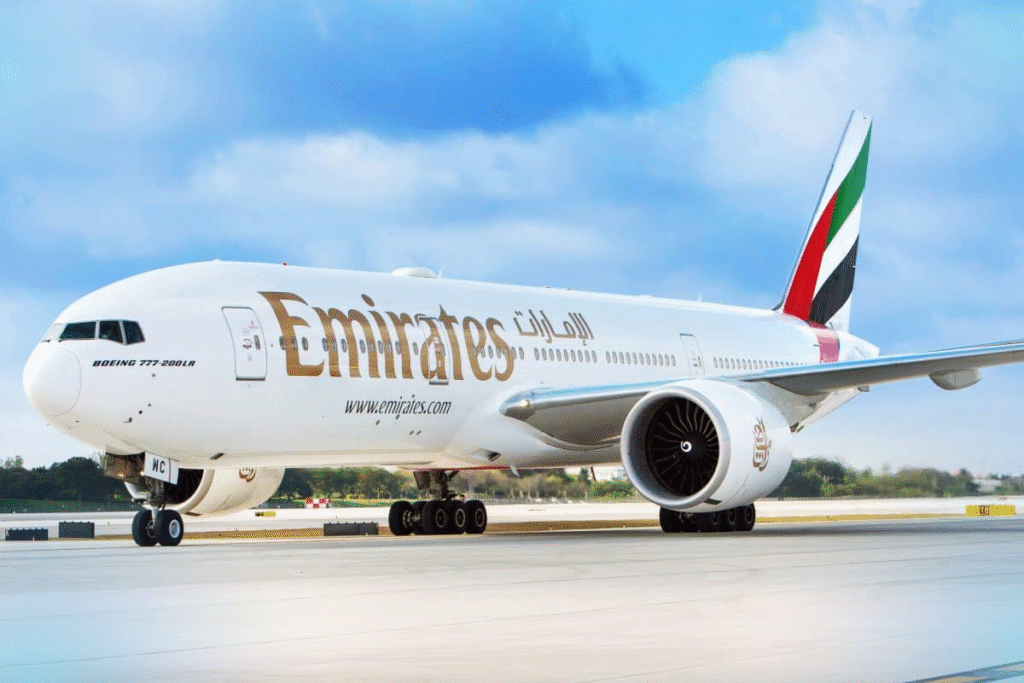
Following Emirates’ recent update, flydubai has announced new rules for carrying power banks on flights. These changes aim to improve passenger safety and align with global standards on lithium batteries. One Power Bank Per Passenger Starting 1 October 2025, passengers may carry one power bank per person in their hand baggage. Each device must have a watt-hour (Wh) rating of 100 Wh or less, clearly marked on the device. Any power bank above 100 Wh is strictly prohibited. Usage Restrictions During Flights Use of power banks during the flight is not allowed. Passengers cannot charge devices or the power bank itself using aircraft power sockets. All power banks must remain in hand baggage, placed under the seat or in the seat pocket in front of the passenger. Overhead lockers are not permitted for storing these devices. Safety Guidelines Power banks must be switched off and protected against short circuits or accidental activation. The airline advises using the original packaging or a protective pouch. Checked baggage is off-limits for power banks. Lithium Battery Rules These rules also apply to laptops, mobile phones, e-cigarettes, cameras, and other rechargeable devices. Devices in checked luggage must be switched off and secured properly. Passengers unsure about their items are encouraged to contact flydubai before traveling. Following Emirates’ Lead The move follows similar restrictions from Emirates. Both airlines now enforce clear guidelines to prevent potential hazards associated with portable batteries. These changes also reflect a growing focus on inflight safety across UAE carriers. Travel Tips Passengers are advised to charge devices fully before departure. This is especially important on long flights, as in-seat charging is restricted. Following these guidelines ensures a safe and smooth journey for all travelers. By implementing these rules, UAE airlines aim to reduce the risk of incidents caused by lithium batteries while maintaining passenger convenience. Keeping devices in hand baggage under the seat helps prevent accidents and allows crew members to respond quickly if any issue arises. Summary of Rules Passengers flying with flydubai should remember: Staying informed about these rules ensures a safer travel experience. Passengers should always check airline guidelines before flying to avoid inconvenience. Travel Tip: Fully charge devices before departure and keep protective pouches handy for power banks. This small precaution can prevent delays and ensure compliance with airline safety standards. With these updates, UAE airlines continue to prioritize passenger safety and reduce risks associated with portable electronic devices, making air travel safer for everyone. Need Guidance on Travel Regulations? For expert advice on airline rules, passenger rights, and travel compliance in the UAE, contact AR Associates today. Our team can guide you through the latest regulations and ensure a smooth travel experience.
Understanding Corporate Structures for New Businesses in Dubai

Setting up a business in Dubai requires a solid understanding of corporate structures. Each type has unique rules, responsibilities, and benefits. Choosing the right one ensures smooth operations and legal compliance. Why Corporate Structure Matters? The structure determines ownership, liability, taxes, and operational flexibility. It also affects the type of licence you need and your eligibility for visas or free-zone incentives. Understanding these factors helps investors avoid mistakes. Common Types of Business Structures Licences and Compliance Key Considerations for New Businesses in Dubai Conclusion Businesses in Dubai benefit from a variety of corporate structures suited for different goals. From sole proprietorships to PJSCs, each has clear rules on ownership, liability, and operations. Foreign investors should carefully match their objectives with the right legal framework. For guidance and full support in registering and structuring your business, contact AR Associates today and get expert help with every step.
Dubai Company Formation for Foreign Investors: What You Need to Know

Dubai has become a top destination for investors worldwide. Its strategic location, modern infrastructure, and business-friendly policies attract entrepreneurs from all corners of the globe. But before setting up a business, foreign investors should understand the rules, costs, and opportunities. Why Dubai? Dubai offers a competitive environment with low taxes and easy access to international markets. Personal income remains untaxed, while corporate tax is set at 9% for profits above AED 375,000. Certain free-zone companies can still qualify for a 0% tax rate, provided they meet specific conditions. The city also allows 100% foreign ownership in many business structures, meaning investors don’t need to live in the UAE to start a company. However, a UAE-based manager or representative is often required to handle local operations. Types of Companies in Dubai Foreign investors can choose between several company types: Each type has specific requirements and benefits, so selecting the right structure depends on your business goals. Business Licences Dubai offers six main types of licences based on business activity: commercial, professional, industrial, agricultural, tourist, and crafts. Your chosen licence affects what activities your company can legally perform and the documents required for approval. Selecting a trading name is also essential. Names must follow UAE regulations, avoid offensive language, and include the legal structure (LLC, EST, etc.). The local Department of Economic Development or relevant free-zone authority registers the trade name. Step-by-Step Formation Process Costs and Timeline Setting up a company in Dubai typically costs between AED 20,000 and AED 30,000 (around US$5,450–$8,200). Costs can rise for foreign trade names or additional approvals. With proper planning, company formation can take as little as a few weeks. Key Considerations for Foreign Investors Conclusion Dubai company formation offers significant opportunities for foreign investors. With clear planning, the right legal structure, and knowledge of licences and approvals, starting a business can be smooth. While taxes and regulations have changed, Dubai remains a strategic and attractive hub for global entrepreneurs. Foreign investors should research carefully or work with professionals to ensure compliance and optimize benefits. Ready to start your Dubai company formation? Contact AR Associates today for expert guidance and end-to-end support to set up your business in Dubai efficiently and legally.
How to Find the Best Dubai Company Setup Packages
Dubai has become one of the most attractive places for entrepreneurs to start and grow a business. With its strong economy, strategic location, and investor-friendly laws, it continues to attract thousands of investors every year. But one of the first questions new entrepreneurs ask is: How to find the best Dubai company setup packages? Among the many options available, mainland company formation in Dubai stands out because it gives business owners freedom to trade across the UAE and internationally without restrictions. However, choosing the right package requires careful research, comparisons, and understanding of what you actually need. In this guide, we will explain step by step how to select the right company setup package, why mainland formation is important, what costs you should expect, and how to avoid common mistakes. We’ll also share a research insight about UAE’s business environment to back up your decisions. Why Dubai Is a Global Business Hub Before looking at packages, it is important to know why so many people choose Dubai as their launchpad: With all these advantages, setting up a business in Dubai—especially through mainland company formation in Dubai—gives entrepreneurs long-term flexibility. Understanding Mainland Company Formation in Dubai A mainland company is licensed by the Dubai Department of Economy and Tourism (DET), formerly called the Department of Economic Development (DED). This type of license allows you to do an extensive variety of things. For instance, it allows you to operate from anywhere in the UAE (not limited to free zones). Furthermore, you can trade internationally, take on government contracts and open multiple branches. In short, if you want maximum business freedom and access to the local UAE market, mainland company formation in Dubai is the right choice. Free Zone vs. Mainland: The Key Difference Many first-time entrepreneurs confuse free zone companies with mainland companies. Let’s break it down: ● Free Zone Company ● Mainland Company So, if your target customers are in Dubai or across the UAE, you need mainland company formation in Dubai. What Are Dubai Company Setup Packages? A company setup package is an all-inclusive service offered by business consultants or government-approved agencies. These packages normally include: The package saves time and gives you a single point of contact instead of dealing with multiple government departments. Factors to Consider When Choosing the Best Package Finding the right package depends on your business goals and budget. Here are the most important factors: 1. Type of Business Activity 2. License Costs 3. Office Space Requirements 4. Number of Visas 5. Hidden Charges 6. PRO and After-Sales Services 7. Bank Account Assistance 8. Flexibility for Growth Steps to Finding the Best Company Setup Package Here’s a simple step-by-step method to find the right setup package: Average Costs of Mainland Company Formation in Dubai While costs vary, here’s a general range for 2025: A typical mainland company formation in Dubai package may start at AED 18,000 and go up depending on your needs. Common Mistakes to Avoid Research Insight: UAE as a Top Entrepreneurial Ecosystem A report by the Global Entrepreneurship Monitor (GEM) 2023/24 ranked the UAE as the world’s top entrepreneurial ecosystem for the third year in a row. The ranking measured business environment, infrastructure, and ease of starting a company. This research shows that Dubai continues to be one of the easiest and most supportive places globally to establish and scale a business. Choosing the right mainland company formation in Dubai package lets you take advantage of this ecosystem. Benefits of Mainland Company Formation in Dubai Example Case Study: From Idea to Launch Imagine an entrepreneur starting a digital marketing agency. Here’s how the right package helps: Within weeks, the business is operational with minimal stress. Future Trends in Dubai Company Setup Packages Conclusion Finding the best Dubai company setup packages is not about picking the cheapest option—it’s about choosing the one that matches your business activity, growth plans, and budget. If your goal is long-term presence and flexibility, mainland company formation in Dubai is the best path. It gives you freedom to trade across the UAE, deal with local customers, and scale globally. By researching carefully, comparing packages, and choosing a trusted consultant, you can save money, avoid mistakes, and set up your business smoothly. Dubai’s ecosystem is ranked among the best in the world, so now is the right time to take advantage.
Advantages of Doing Business in a Dubai Free Zone
Setting up a business in the UAE can be highly profitable for all those who want to double their income. Among the vast pool of opportunities, obtaining a freezone license in Dubai has become a business with tax benefits. These zones are specially designed to encourage the tax benefits and simplify procedures with greater flexibilities. The same is why, we have formed this guide which will be talking about all the advantages you can avail along with all the other essential information. So, make sure to read till the end. 1. 100% Foreign Ownership One of the biggest reasons entrepreneurs choose a freezone license in Dubai is the ability to have full ownership. 2. Tax Benefits Operating a business in a Free Zone comes with unmatched tax advantages. 3. Simplified Business Setup Process (Paragraph Form) When it comes to starting a company, time and effort are important. Dubai Free Zones are known for their simple and quick registration process. With step-by-step guidance provided by the Free Zone authorities, entrepreneurs can establish their businesses in a matter of days. This convenience attracts startups and SMEs who want to begin operations quickly. Moreover, paperwork and legal formalities are reduced compared to mainland company setups, making it less stressful for first-time investors. 4. Strategic Location Dubai’s Free Zones are strategically located near ports, airports, and major highways. 5. Repatriation of Profits and Capital (Paragraph Form) A key concern for international investors is the ability to transfer their money freely. With a freezone license in Dubai, businesses enjoy 100% repatriation of profits and capital. This means owners can send their earnings back to their home countries without restrictions. It provides a sense of financial security and makes Free Zones highly appealing for foreign investors who want to maximize their returns while staying flexible in global operations. 6. Wide Range of Business Activities Free Zones are not limited to a single industry. 7. World-Class Infrastructure (Paragraph Form) Dubai is famous for its futuristic infrastructure, and Free Zones are no exception. They offer state-of-the-art office spaces, warehouses, and logistics facilities. High-speed internet, modern communication systems, and advanced transport links support businesses in scaling their operations smoothly. The environment is designed to attract global investors who value both efficiency and prestige. As a result, companies can operate in a professional and technologically advanced ecosystem that adds credibility to their brand. 8. Networking and Collaboration Opportunities Another advantage of operating in a Free Zone is the community of like-minded businesses. 9. Support Services (Paragraph Form) Free Zones in Dubai provide much more than office spaces. They offer comprehensive support services to make business operations easier. These include visa processing, recruitment assistance, legal services, and licensing support. Many Free Zones also provide access to financial institutions, making banking simple for new businesses. This kind of ecosystem ensures that entrepreneurs can focus more on growth rather than dealing with administrative challenges. 10. Flexibility in Office Options Businesses are not forced into expensive rental agreements. 11. Protection of Intellectual Property (Paragraph Form) For businesses dealing in technology, media, and innovation, intellectual property rights are crucial. Dubai Free Zones are governed by strict regulations that protect trademarks, copyrights, and patents. This provides investors with peace of mind, knowing their ideas and innovations are legally safeguarded. Such protection makes Free Zones especially attractive to startups and creative businesses looking to establish themselves in the UAE market. Conclusion On the bottom line, setting up a company with the freezone license in Dubai is equal to obtaining hundreds of opportunities. From 100% ownership to tax exemptions to world class infrastructure, it has it all. With simple procedures and strong government support, you can double your income in a very lesser time span.
United Arab Emirates Corporate Tax Guide 2025
Corporate tax in UAE is one of the most important topics for businesses to consider in 2025. The system has changed the way companies use to plan and report in the past. Understanding these rules is the key for both small and big companies that want to stay safe and do not want to get ruined in the highly competitive landscape out there. The same is why we have formed this guide which will talk about each and everything you must know regarding the tax. So, without any further discussion, let us jump into the content. What Is Corporate Tax in the UAE? Corporate tax is a tax that companies pay on their profits. It is meant to support the country’s economy while keeping the UAE attractive for businesses. Evolution of Corporate Tax in the UAE Before the Introduction of Corporate Tax The UAE was long known as a “no tax” country. For decades, companies enjoyed no federal tax, which made it a business hub. Timeline of Implementation Corporate tax came step by step, with new rules set between 2022 and 2025. Current Corporate Tax Structure in 2025 Tax Rates for Businesses Companies pay tax depending on their profits, with clear thresholds. Free Zone Companies Free zones are still attractive, but companies must follow conditions. Small Business Relief Small businesses get special relief to make things easier. Key Features of UAE Corporate Tax 2025 Corporate tax is designed to be fair and competitive while supporting growth. Who Needs to Pay Corporate Tax? Resident Companies Resident companies are businesses registered in the UAE or managed from the UAE. Non-Resident Companies Even foreign companies may need to pay if they earn from the UAE. Corporate Tax Exemptions in the UAE Sectors That Qualify for Exemptions Some industries remain free from corporate tax because of their role in the economy. Free Zone Exemptions Free zones keep their appeal but with stricter rules. Compliance and Filing Requirements Registration Process Every business that falls under corporate tax must register. Filing and Payment Deadlines Timely filing keeps companies safe from penalties. Impact on Small and Medium Enterprises (SMEs) SMEs make up most of the UAE economy, and corporate tax rules consider them. Corporate Tax vs VAT in the UAE Many confuse corporate tax with VAT, but they are very different. International Alignment and Global Standards OECD and BEPS Guidelines The UAE wants to follow international tax fairness rules. Double Taxation Treaties The UAE has signed many treaties to protect businesses from double taxes. Preparing for Corporate Tax in 2025 Steps Businesses Should Take Businesses must prepare carefully to avoid mistakes. Common Mistakes to Avoid Some mistakes can cause heavy fines or problems. Challenges and Opportunities of Corporate Tax in UAE The new tax system has both sides—some challenges, but also great opportunities. Future of Corporate Tax in UAE Beyond 2025 The system will keep changing as the global economy evolves. Conclusion The introduction of corporate tax in UAE has marked a big shift for businesses in 2025. The system is simple, fair, and globally respected. Companies now have to plan better, keep proper records, and meet deadlines. While challenges exist, the long-term benefits include stronger economic growth, investor trust, and a sustainable future for the UAE. Every business, from small startups to big corporations, must stay updated and ready for the years ahead.